
Development and Use of Generalized Provisional Seed Zones


Webinar Details
When:
Jun 14, 2017 1:00 pm US/Eastern
Length: 00:46 (hh:mm)
Advance Registration NOT required.
View now on-demand.
Presenter(s):
- Dr. Andy Bower, Area Geneticist, USDA Forest Service
Virtual Event Format:
Group Viewing Available:
The fourth of the Eastern Seed Zone Forum's online lecture and discussion hours aimed at providing both information about the creation of seed zones in general and a forum in which professionals, experts, and interested parties discuss the possibility of drafting seed zone guidelines for the eastern United States.
Please join the USDA Forest Service Reforestation, Nurseries, and Genetics Resources team for its fourth discussion about what it will take to create seed zone guidelines to serve as tools for improved collaborations and partnership in the region. Dr. Andy Bower, Area Geneticist, USDA Forest Service will discuss the development and use of generalized provisional seed zones and their applicability to the Eastern Seed Zone Forum's effort to develop seed zones for the eastern US.
About the ESZF
The National Forest System needs your help to develop seed zones for the eastern United States! With the input of forestry and natural resource professionals like you, these seed zones have the potential to provide a common frame of reference for nurseries, arboreta, state and federal agencies, and other natural resource organizations to address sustainable forest management and ecosystem restoration challenges across regional and political boundaries.
About Dr. Andy Bower
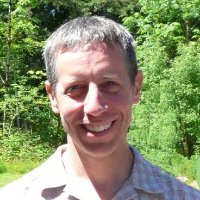 Dr. Bower is a geneticist with the US Forest Service in Olympia, Washington. He has a bachelor’s degree in forestry from U.C. Berkeley, M.S. in forest science from Oregon State University, and a Ph.D. in forest sciences from the University of British Columbia. He is the Forest Service Area Geneticist for Western WA and Northwest OR, and covers the Olympic, Gifford Pinchot, and Mt. Hood National Forests. He is also currently the Project Leader for the Forest Service’s Whitebark Pine Restoration Program in the Pacific Northwest (Oregon and Washington). His professional interests include population and conservation genetics of forest trees and native plants and conservation/restoration of whitebark pine. He also works with National Forest botanists providing guidance on genetic issues relative to native plants. Recognition among botanists and restoration practitioners, both within and outside the agency, of the importance of locally adapted plant materials led him and coauthors to develop a set of climate-based provisional seed zones to guide seed transfer in plants for which no information is available regarding genetic diversity and local adaptation.


 Loading