
 Rehabilitating Disturbed Forests - Where We Stand And What We Need


Webinar Details
When:
Sep 17, 2013 2:00 pm US/Eastern
Length: 01:07 (hh:mm)
Advance Registration NOT required.
View now on-demand.
Reviewed for Continued Content Relevance: 08/2016
Presenter(s):
- Ralph D. Nyland, Ph.D., Distinguished Service Professor – Silviculture, SUNY College of Environmental Science and Forestry, Syracuse, NY
CEU Credits/Certificate Offered:
- Certificate of Participation
- Conservation Planner (CP) - 1 hour Conservation Planning Credit
Virtual Event Format:
Group Viewing Available:
Participate to learn about key issues that challenge rehabilitation treatment of disturbed forests and alternatives for dealing with cutover stands.
This presentation will cover:
- definitions of silviculture, forestry, and ecosystem management
- restoration and rehabilitation in the context of silviculture
- effects of timber harvesting on forests in the Northeast
- some key characteristics of even-, uneven-, and two-aged stands
- how exploitative cutting alters the condition of these stands (potential for future growth, residual tree quality, patchiness, and interference to regeneration)
- some silvicultural options for dealing with exploited stands
- multi-treatment strategies as a new approach in rehabilitation silviculture
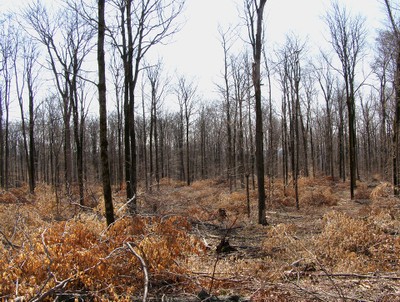
The presentation includes information from assessment of timber harvesting and its effects in the Northeast, shows examples of key issues that challenge rehabilitation treatments, and describes some alternatives for dealing with cutover stands. Findings suggest that the patchiness of cutover stands and the limited amount to quality growing stock make a single-treatment approach inadequate in most cases. Instead, combining different silvicultural options into a multi-treatment strategy should result in a more favorable outcome.
This webinar is sponsored by the USDA NRCS East National Technology Support Center.
Captions play for Internet Explorer users.


 Loading