
 Woods for Wildlife: Forestry for Birds and Commonly Used Herbicides for Habitat Management


Webinar Details
When:
Nov 5, 2020 1:00 pm US/Eastern
Length: 01:30 (hh:mm)
Advance Registration NOT required.
View now on-demand.
Presenter(s):
- Aimee Tomcho, Conservation Biologist, Audubon North Carolina
- Benjy Strope, Private Lands Management Biologist, North Carolina Wildlife Resources Commission
Virtual Event Format:
Group Viewing Available:
Managing forest habitat for birds doesn’t have to be difficult and often aligns closely with familiar forestry practices. Learn what bird species rely on forests, why their presence is a quick and dependable indicator of forest health, and how to use this information to speak with both foresters and landowners to maximize forest productivity across multiple disciplines. This webinar will also cover methods, tools, and application rates of herbicides frequently used in habitat management.
photo by Robert Bardon
Presenters:
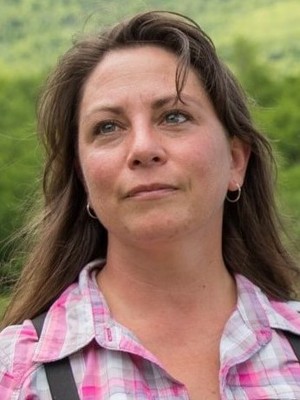 Since being hired in 2013 as Audubon North Carolina’s Conservation Biologist, Aimee Tomcho has worked with hundreds of landowners and natural resources professionals to steward land to benefit both birds and people. Her work as taken her from New York to Nicaragua during which time she gained valuable experience working for the Department of Defense, National Park Service, and United States Forest Service. Aimee earned her Bachelor of Science degree from Virginia Tech and her Master of Science degree from Clemson University where she studied wildlife response to prescribed fire in the Southern Appalachian Mountains. She currently serves on the North Carolina Tree Farm Program Board of Directors, is a founding Executive Board member of ForestHerNC, and was the recipient of the 2019 Root Cause Sustainable Use of Forest Products Award.
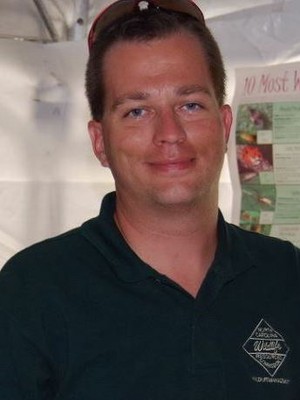 Benjy Strope is a Private Lands Management Biologist with the North Carolina Wildlife Resources Commission. He has managed the Corporate CURE (Cooperative Upland habitat Restoration and Enhancement program since 2006 in Bladen, Sampson, and Duplin Counties. This program works on commercial agricultural farms for a landscape scale approach to improving water quality and early successional habitat work. This work includes field borders and fallow areas, longleaf pine ecosystem restoration, restoring native grasses and forbs, and timber stand improvements. Benjy also provides technical guidance to private landowners and is the President of the Bladen Lakes Prescribed Burn Association.
This webinar is made possible by a grant from the National Fish and Wildlife Foundation with the support of International Paper Company, The American Forest Foundation, The Orton Foundation, an affiliate of The Moore Charitable Foundation, founded by Louis Bacon and the U.S.D.A. Natural Resources Conservation Service.


 Loading